
Introduction
In recent years, there has been a growing demand for sustainable and cruelty-free alternatives in various industries, including fashion and accessories. One such alternative that has gained significant popularity is vegan leather industry.
In this article, we will explore what is vegan leather made of, its types, benefits, environmental impact, and how it compares to traditional animal leather. We’ll also delve into the ethical considerations, care tips, popular brands, and the future of vegetable tanned leather.
What is Vegan Leather?
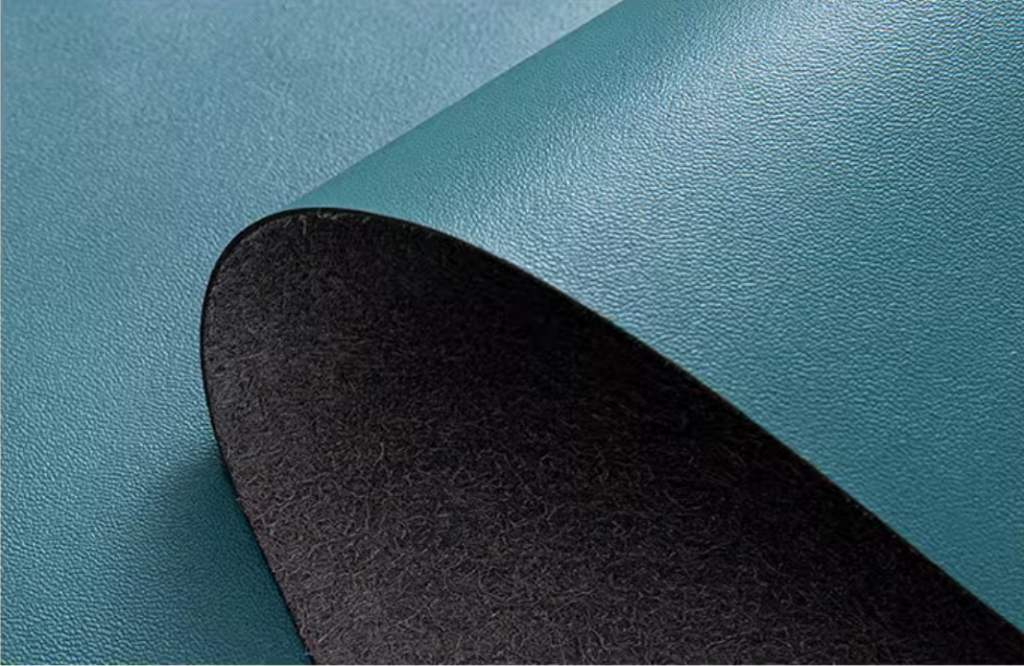
Vegan leather, also known as faux leather or synthetic leather or artificial leather or fake leather, is a cruelty-free and sustainable fashion alternative to traditional animal skins leather. It is designed to mimic the look and feel of genuine leather while being entirely free from animal products. Vegan leather can be made from a variety of materials, including polyurethane (PU), polyvinyl chloride (PVC), and plant-based alternatives like pineapple leaves (Piñatex) or apple peels (AppleSkin).
Types of Vegan Leather
There are several different types of vegan leathers available in the market today, each with its unique characteristics. Some common types include:
- Polyurethane (PU) Leather: Making vegan leather from plastic based materials. It is made by coating a fabric base with a layer of polyurethane. PU leather is known for its durability, versatility, and affordability. It can closely mimic the look and feel of genuine leather. widely use for leather jacket and car accessories.
- Polyvinyl Chloride (PVC) Leather: Also known as vinyl leather, is another synthetic plastic leather option. PVC leather in a variety of textures and colors. However, it’s important to note that the production of PVC raises environmental concerns due to the use of certain chemicals input, and PVC releases dioxins.
- Piñatex: Piñatex is an innovative and sustainable vegan leather made from pineapple leaf fibers. These fibers are a by product of the pineapple industry. It has a unique texture and can be used in various applications, including fashion accessories and upholstery.
- Cork Leather: Cork leather is made from the bark of cork oak trees. The bark is harvested without harming the tree, making cork leather a sustainable option. It has a natural and rustic appearance, and its texture becomes softer and more flexible over time.
- Mushroom Leather: Also known as MuSkin, mushroom leather is made from the roots of mushrooms. It is a biodegradable and cruelty-free alternative. Mushroom leather has a soft and suede-like texture, commonly used for various fashion and accessory items.
- Apple Leather: Apple leather, sometimes referred to as AppleSkin, is a vegan leather made from apple waste, such as apple cores and peels. These byproducts are transformed into a durable and eco-friendly material that resembles genuine leather. Apple leather offers a unique texture and can be used in the production of bags, wallets, and other accessories.
- Recycled Leather: Recycled leather is created by processing scraps and remnants of genuine leather. The scraps are combined with a binding agent to create a new material. Recycled leather reduces waste and gives a second life to discarded leather, making more eco friendly products.
- Soy Leather: Also known as soybean leather, is made from soybean oil. It is a renewable and biodegradable material. Soy leather offers a soft and smooth texture, suitable for various fashion and upholstery applications.
- Recycled Plastic Leather: Made from recycled plastic materials, such as PET bottles or ocean plastic. The plastic is processed into a synthetic leather-like material that can be used in various applications. Recycled plastic leather helps reduce micro plastic pollution and plastic waste, perfect solution to a more sustainable fashion industry.
- Wine Leather: Wine leather, also known as grape leather or Vegea, is a vegan leather made from grape skins, stalks, and seeds leftover from winemaking. These byproducts are transformed into a durable and textured material that resembles genuine leather.
- Cactus Leather: Also called Desserto, made from cactus plants. It is a sustainable and cruelty-free option, as cactus plants require minimal water and land to grow. Cactus leather has a soft and smooth texture and is used in various fashion and interior design applications.
- Corn Leather: Sometimes referred to Zea Leather, is derived from cornstarch. It is a biodegradable and renewable vegan leather alternative. Corn leather has a unique texture and widely used in production of bags, shoes, and other fashion items.
- Leaf Leather: Leaf leather is made from leaves, typically from trees like teak, rubber, or birch. The leaves are processed and treated to create a durable and natural product.
- Paper Leather: Paper leather is made from recycled or sustainably sourced paper fibers. The paper is processed and treated to create a leather-like material. Paper leather is lightweight, eco-friendly, and offers a unique texture. It is commonly used in accessories and small leather goods.
Benefits of Vegan Leather
Vegan leather offers several advantages over traditional leather, making it a popular choice among environmentally conscious consumers.
- Animal-Friendly: Completely cruelty-free, eliminating the need for animal exploitation. Unlike real leather material from animal hide.
- Sustainability: The production of vegan leather is natural vegetable tannins has a lower environmental impact compared to traditional animal skin leather, as it reduces greenhouse gas emissions, deforestation, and water pollution.
- Versatility: Vegan material can be crafted to mimic various textures, colors, and finishes, providing a wide range of design possibilities.
- Cost-Effective: More affordable than real leather, allowing more accessibility without compromising quality.
- Hypoallergenic: Unlike some individuals who may be allergic to animal skin wearable, vegan leather is hypoallergenic and suitable for those with sensitivities.
- Durability and longevity: High-quality vegan leather can be just as durable and long-lasting as real leather ages. With proper care, vegan leather products can maintain their shape, color, and texture over time, offering excellent value for money. Advances in manufacturing techniques have improved the strength and resilience of vegan leather, ensuring it withstands daily wear and tear.
Environmental Impact
Vegan leather has a significant advantage over actual animal skin. The production of dyeing and tanning process of real leather involves raising livestock, which contributes to deforestation, water pollution from leather tanning chemicals, and greenhouse gas emissions from livestock farming.
In contrast, natural vegetable tannins production eliminates these concerns and often incorporates recycled or plant-based materials, reducing the carbon footprint. Additionally, vegan leather reduces the demand for animal farming, which is alternative leather further helps conserve natural life.
Fashion and Style
Vegan leather has made a significant impact in the fashion industry, offering stylish alternatives for conscious consumers. Designers and brands have embraced vegan leather, creating a wide range of fashion-forward products, including shoes, handbags, jackets, and accessories. The versatility of vegan leather allows for unique designs, textures, and colors, catering to diverse fashion preferences.
How to Care for Vegan Leather
Proper good care is essential to maintain the longevity and appearance of vegan leather products. Here are some tips to keep your vegan leather items in excellent condition:
- Regular Cleaning: Wipe the surface with a damp cloth to remove any dirt or stains. Avoid using harsh chemicals or abrasive cleaners that can damage the material.
- Conditioning: Vegan leather does not require conditioning like traditional leather. However, you can use a specialized vegan leather conditioner to enhance its suppleness and shine.
- Storage: Store in a cool, dry place away from direct sunlight. Use dust bags or protective covers to prevent scratches or dust accumulation.
- Avoid Extreme Temperatures: Exposing vegan leather to extreme heat or cold for prolonged periods can cause damage. Keep your items away from heaters, radiators, or direct sunlight.
Vegan Leather vs Traditional Leather
While vegan leather offers numerous advantages, it’s essential to compare it to real leather products to understand the differences fully. Traditional leather has been used for past several decades and has unique qualities, such as its distinct aroma, patina development, and the perception of luxury. However, it also raises ethical concerns, contributes to environmental degradation, and requires the use of animal products.
Vegan leather, on the other hand, provides a cruelty-free and sustainable alternative, without compromising on style or durability. It eliminates the need for animal exploitation and significantly reduces environmental impact. The choice between vegan leather and traditional leather ultimately depends on individual values, preferences, and priorities.
Ethical Considerations
One of the primary reasons people opt for vegan leather is the ethical concerns surrounding animal welfare. Traditional leather production involves raising and slaughtering animals solely for their hides. This practice has long been scrutinized for its impact on animal rights. By choosing vegan leather, individuals can align their fashion choices with compassion and contribute to a more ethical and compassionate world.
Popular Brands and Products
Not all designers have embraced in vegan leather, some popular brands include:
- Matt & Nat: Known for their sustainable and vegan handbags, wallets, and accessories.
- Stella McCartney: A luxury fashion brand renowned for its commitment to sustainability, offering vegan leather shoes, bags, and clothing.
- Angela Roi: Specializing in vegan handbags and accessories, this brand combines style with ethical practices.
- Bourgeois Boheme: Offers a range of vegan shoes and accessories that are eco-friendly and ethically produced.
The Future of Vegan Leather
The demand for vegan leather continues to rise as more consumers become aware of the environmental and ethical issues associated with traditional leather. With ongoing research and technological advancements, the quality and variety of vegan leather are expected to improve further. Innovations in material sourcing and manufacturing processes will likely make vegan leather even more accessible, cost-effective, and sustainable. The fashion industry is gradually shifting towards more ethical and sustainable practices, and vegan leather is poised to play a significant role in this transition.
As consumers become more conscious of the impact of their choices, the demand for vegan leather is expected to grow. This growth will likely spur innovation and investment in the development of new materials and manufacturing techniques, creating an even broader range of options for consumers.
Vegan Leather in Other Industries
Vegan leather is not limited to the fashion industry. It has also found applications in various other sectors, including automotive, furniture, and interior design. Car manufacturers are increasingly incorporating vegan leather upholstery options in their vehicles, offering a cruelty-free alternative without compromising luxury or comfort. In the furniture industry, vegan leather provides a sustainable alternative to traditional leather for sofas, chairs, and other home furnishings.
Addressing Common Misconceptions
Despite the growing popularity of vegan leather, there are still some misconceptions surrounding its quality, durability, and environmental impact. Let’s address a few common misconceptions:
- “Vegan leather is of inferior quality compared to real leather.” This is not necessarily true. High-quality vegan leather can closely resemble genuine leather in terms of look and feel, while offering added benefits such as durability, affordability, and sustainability.
- “Vegan leather is not environmentally friendly.” While certain synthetic materials used in vegan leather, such as PVC, may have environmental concerns, there are also eco-friendly alternatives like plant-based or recycled materials. It’s important to choose brands that prioritize sustainability and transparency in their production processes.
- “Vegan leather is less durable and wears out quickly.” With advancements in manufacturing techniques, vegan leather can be highly durable and long-lasting. However, the quality may vary depending on the specific brand and type of vegan leather chosen.
- “Vegan leather lacks the luxurious feel of real leather.” While vegan leather may have a slightly different texture, it can still provide a luxurious look and feel. Many high-end fashion brands have successfully incorporated vegan leather into their collections without compromising on style or quality.
- “Vegan leather is limited in design options.” On the contrary, vegan leather offers a wide range of design possibilities. It can be textured, embossed, or colored in various ways to suit different preferences and fashion trends.
Conclusion
Vegan leather is a sustainable and cruelty-free alternative to traditional leather, gaining popularity in various industries, especially fashion. With its versatility, durability, and ethical advantages, vegan leather provides consumers with stylish options while addressing environmental and animal welfare concerns. As the demand for ethical and sustainable products continues to rise, vegan leather is poised to play a significant role in shaping the future of fashion and beyond.
FAQs (Frequently Asked Questions)
Q1. Is vegan leather more affordable than genuine leather?
Yes, in general, vegan leather tends to be more affordable than genuine leather due to lower production costs and the availability of alternative materials.
Q2. Can vegan leather be recycled?
Yes, many types of vegan leather can be recycled. It’s important to check with the manufacturer or brand for specific recycling instructions.
Q3. Are vegan leather goods suitable for individuals with allergies?
Yes, vegan leather is often hypoallergenic and suitable for individuals with allergies or sensitivities to animal-based products.
Q4. How can I distinguish between genuine leather and vegan leather?
Genuine leather has a distinct smell and texture that sets it apart from vegan leather. Additionally, labels or product descriptions usually indicate whether a product is made of genuine or vegan leather.
Q5. Where can I find vegan leather goods?
Vegan leather products are increasingly available in fashion stores, online retailers, and specialized vegan or ethical marketplaces. Many well-known fashion brands and retailers now offer dedicated vegan leather collections or include vegan options within their product range. Online platforms and websites focusing on sustainable and cruelty-free fashion are also excellent resources for finding a wide variety of vegan leather products.
Sourcing vegan leather that actually performs well comes down to the grade and backing you choose. Our wholesale leather bags page covers the leather and vegan-leather options we can supply.