
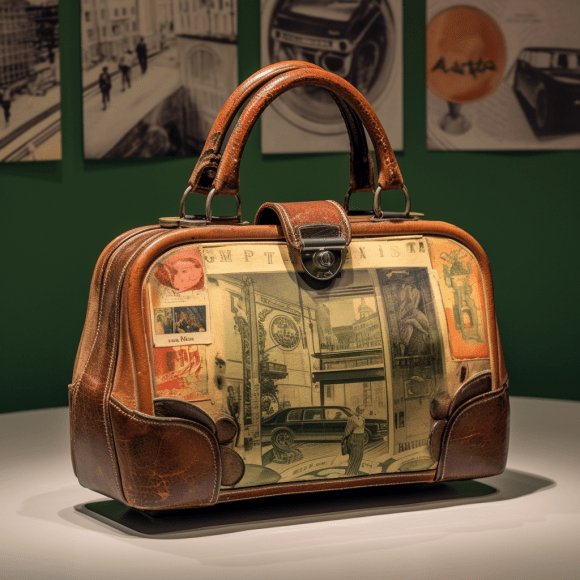
Handbags have been a staple accessory for women for centuries, serving both functional and aesthetic purposes. Over the years, handbags have evolved in design, material, and functionality, reflecting changes in fashion, technology, and society. In this article, we will take a journey through the history of handbags, tracing their development from ancient times to the present day.
Ancient Handbags
Handbags have a long and storied history that dates back to ancient times. The earliest handbags were simple pouches made of animal skin or fabric, worn by both men and women. These pouches were used to carry small personal items such as money, food, and tools. In ancient Egypt, women often carried small, ornate bags made of precious materials such as gold and ivory, which were used to hold cosmetic items and other small trinkets.
Medieval Handbags
During the Middle Ages, handbags began to take on more elaborate designs and were often used as status symbols. Wealthy women carried purses made of silk or velvet and adorned with jewels and embroidery. Men also carried bags, often made of leather and used to hold money or other valuables.
Renaissance Handbags
The Renaissance saw a shift in fashion towards more practical and functional clothing, and handbags followed suit. Pouches and small bags made of leather or fabric became more common, and were often worn on belts or carried by hand. These bags were still decorated with elaborate embroidery and jewels, but their designs were simpler and more utilitarian.
18th and 19th Century Handbags
The 18th and 19th centuries saw the rise of the modern handbag, as women began to carry more personal items with them on a daily basis. The first true handbag was the reticule, a small bag made of silk or velvet and carried by a drawstring. The reticule was often used to carry personal items such as handkerchiefs, fans, and small cosmetics.
In the mid-19th century, the introduction of the sewing machine allowed for the mass production of handbags, and the industry began to flourish. Handbags became larger and more complex in design, with multiple compartments and closures. The introduction of new materials such as patent leather and metal frames allowed for even more variation in design.
20th Century Handbags
The 20th century saw a proliferation of handbag styles, reflecting the changing fashions and needs of women. In the 1920s, the flapper style popularized small, compact bags that could be carried by hand or on the wrist. The 1930s saw the rise of the clutch, a small bag without handles that was often used for formal events.
During the 1940s and 1950s, handbags became larger and more structured, reflecting the post-war desire for stability and practicality. The introduction of the shoulder strap in the 1960s allowed for even more versatility in handbag design, and the rise of the feminist movement in the 1970s led to the popularization of unisex bags.
Handbags Today
Today, handbags continue to be an integral part of modern fashion. They come in a wide range of designs, from practical shoulder bags and totes to high-end luxury bags made from exotic materials such as alligator and ostrich. Handbags are used to make a fashion statement and reflect the wearer’s personality and style.
In the 21st century, handbags continue to evolve and adapt to changing fashion trends and technological advancements. The rise of sustainable and eco-friendly materials has led to the popularity of reusable canvas and tote bags, while the introduction of wearable technology has led to the creation of tech-friendly bags with built-in charging ports and other features.
The Contemporary Era
The Impact of Technology on Handbag Design
In recent years, technology has had a significant impact on handbag design, with the introduction of new materials and manufacturing techniques. 3D printing and other advanced manufacturing techniques have made it possible to create complex, geometric designs that would have been impossible in the past.
Handbags in the Digital Age: Trends and Innovations
In the digital age, handbags have also become more functional, with the introduction of tech-enabled bags that can charge devices and track their own location. Smart handbags, which integrate technology such as Bluetooth speakers and wireless charging, have become increasingly popular among tech-savvy consumers.
Conclusion
Handbags have come a long way since their humble beginnings as simple pouches. Today, they are an essential accessory for women, serving both practical and aesthetic purposes. From ancient times to the present day, handbags have reflected the changing fashions, needs, and values of society, and they continue to evolve.
The bag shapes buyers ask for today all trace back to these older designs. If you want to bring one of them to market, our custom bag solutions show the materials and constructions we can arrange.