
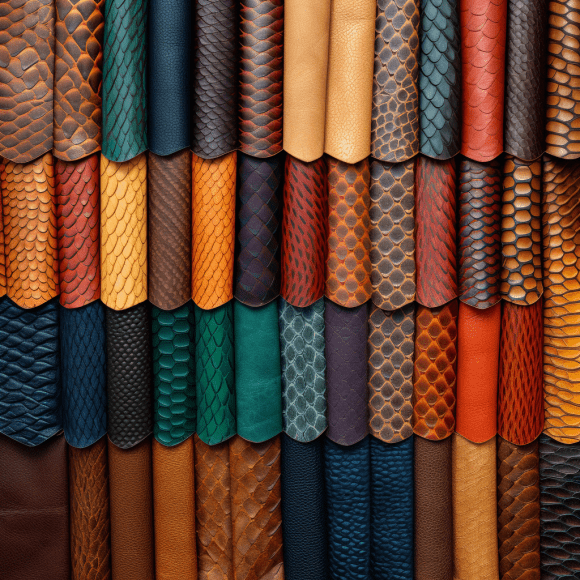
In leather industry, Leather material is a versatile and timeless that has been used for centuries. From fashion to furniture, leather adds a touch of elegance and durability. However, not all leather is the same. There are various types of leather available, each with its unique characteristics and qualities.
In this article, we will explore the different types of leather, their processing techniques, leather grades, leather thickness, leather qualities, factors to consider when choosing leather, popular uses.
1. Introduction
Leather has been prized by humans for its exceptional qualities since ancient times. Its strength, flexibility, and aesthetic appeal make it a popular choice in many industries. But with so many different leather types available, it can be overwhelming to understand the differences between them. In this article, we will break down the various leather types and provide you with the knowledge to make an informed decision when purchasing leather goods.
2. Understanding Leather
2.1 What is Leather?
Leather is a material created through the tanning of animal rawhide and skins. It is a natural product that undergoes a complex process to transform it into a durable and versatile material. The primary source of natural leather comes from animal hide such as cows, goats, sheep, and pigs. The skin is first removed from the animal and then subjected to various treatments to prevent decay and improve its characteristics.
2.2 The History of Leather
The history of leather dates back thousands of years. In ancient times, leather was used for clothing, footwear, and shelter. The discovery of tanning techniques revolutionized the use of leather, making it more durable and resistant. Throughout history, leather has been associated with luxury and craftsmanship, symbolizing status and wealth.
3. Different Types of Leather
There are several types of leather hide grade available, each with its unique qualities. Let’s explore some of the most common leather types:
3.1 Full-Grain Leather
Full-grain leather is considered the highest quality leather and most durable leather. It is made from the top layer of animal hide, which retains the natural grain leathers and imperfections of the animal.
This type of leather ages beautifully, developing a rich patina over time. Full-grain leather is known for its strength and durability, as it retains the natural fibers and inherent toughness of the hide. It is often used in high-end products such as luxury bags, belts, and footwear.
3.2 Top-Grain Leather
Top-grain leather is another popular choice known for its durability and natural appearance. It is made by splitting the top layer of the hide and removing any imperfections or blemishes. Top-grain leather is then sanded and finished to create a smooth and consistent surface. They finished leather used in furniture, wallets, and jackets.
3.3 Corrected-Grain Leather
Corrected-grain leather undergoes a process where the surface is sanded to remove any imperfections or natural marks. It is then embossed with an artificial grain pattern to give it a uniform look. Corrected-grain leather is often more affordable than full-grain or top-grain leather and is commonly used in furniture upholstery and budget-friendly leather goods.
3.4 Split grain Leather
Split leather is derived from the lower layers of the hide. During the tanning process, the top grain layer is separated from the rest of the hide, and the remaining layers are used to create split leather. This type of leather is less durable and has a suede-like texture. It is commonly utilized in the production of suede shoes, garments, and accessories.
3.5 Bonded Leather
Bonded leather is made by blending leather scraps and fibers with bonding agents. It is then coated with a layer of polyurethane or vinyl to create a uniform appearance. Bonded leather is an affordable alternative to genuine leather, but it lacks the durability and natural characteristics of other leather types. It is often used in furniture upholstery and low-priced accessories.
3.6 Faux Leather
Faux leathers, also known as synthetic leather, fake leather or vegan leather, is a man-made material designed to imitate the look and feel of genuine leather. It is typically made from a fabric base, such as polyester or nylon, which is coated with a layer of polyurethane. Faux leather is a cruelty-free option and is commonly used in the production of bags, shoes, upholstery and leather coats.
3.7 Exotic Leather
Exotic leather refers to leather sourced from non-traditional animal hides. It includes materials such as snakeskin, alligator, ostrich, and crocodile. Exotic leather is highly sought after for its unique patterns and textures, making it a popular choice for luxury fashion accessories and statement pieces.
3.8 Nubuck Leather
Nubuck leather is produced from the top grain of the hide and is buffed or sanded to create a soft and velvety texture. It is known for its luxurious feel and is commonly used in high-end footwear and accessories.
3.9 Suede Leather
Suede leather is made from the underside of the hide, soft leather with fuzzy texture. It is popular for its comfort and is often used in garments, shoes, and upholstery.
3.10 Aniline Leather
Aniline leather is a type of leather that is dyed using soluble dyes without any surface coating. This allows the natural characteristics and grain of the leather to remain visible. Aniline dyed leather has a rich and luxurious appearance but may be more susceptible to staining and fading.
3.11 Semi-Aniline Leather
Semi-aniline leather is similar to aniline leather but has a light protective coating applied to enhance its durability and resistance to stains. It retains the natural look and feel of the leather while offering some additional protection.
3.12 Vegetable-Tanned Leather
Vegetable-tanned leather is a traditional method of tanning where natural tannins derived from plants, such as tree bark. This process results in a firm and natural-looking leather that develops a unique patina over time.
3.13 Chrome-Free Leather
Chrome-free leather is tanned using alternative methods that do not involve the use of chromium salts. This type of leather is considered more environmentally friendly and is suitable for those with chromium allergies.
3.14 Pull-up Leather
Pull-up leather is aniline or semi-aniline leather that has been treated with oils, waxes, or greases. This treatment creates a distressed leather or aged leather appearance when the leather is stretched or pulled, adding character to the product.
3.15 Printed leather
Printed leather is another type of leather that has a distinct appearance due to the application of printed designs or patterns onto the surface of the leather.
Printed leather offers a wide range of creative possibilities, allowing for intricate patterns, vibrant colors, and unique textures. They often used in the fashion industry for garments, handbags, and accessories, as it allows designers to incorporate custom designs, motifs, or brand logos onto the leather. It provides a way to add visual interest and individuality to leather products, making them stand out in the market.
The printing process for leather involves specialized techniques and equipment to ensure the design adheres properly to the leather surface and withstands regular use and wear. Additionally, a protective finish added to enhance the leather quality, durability and resistance to fading or scratching. It offers endless possibilities for customization and personalization, making it a versatile option in the world of leather design.
3.16 Embossed leather
Embossed leather is treated to create raised or depressed patterns on its surface. This decorative technique involves applying pressure or heat to the leather, usually using engraved plates or rollers, to imprint a design onto the material.
Embossed leather offers a unique and luxurious appearance, resembling expensive or exotic leathers at a more affordable price. It provides a way to mimic the textures and patterns found in materials like alligator, ostrich, or snake skin, without using the actual hides of these animals. The embossing process can be done before or after the leather is dyed, and the embossed patterns can be further enhanced with coloring or staining techniques.
4. Types of leather based on animal types
4.1 Cow Leather
Cow leather can be further classified based on the age and specific part of the cow.
Calf Leather: Calf leather comes from young cows, specifically calves.
Cowhide Leather: Cowhide leather refers to the general term for leather derived from adult cows.
Bullhide Leather: Bullhide leather is sourced from mature bulls and is known for its toughness and rugged appearance.
Steerhide Leather: Steerhide leather comes from neutered male cows (steers). It shares similar qualities with cowhide leather in terms of durability and versatility.
Oxhide Leather: Oxhide leather is obtained from fully grown oxen, which are castrated male cattle.
Buffalo Leather: Buffalo leather is derived from the hides of buffalo and is known for its durability and rugged appearance.
4.2 Sheep leather
Lambskin leather: Lamb leather from young sheep, typically less than a year old.
Shearling: Made from the skin of sheep or lambs that have been sheared once.
Nappa Leather: Refers to a type of sheepskin leather that has undergone a specific tanning process to enhance its softness and durability.
Suede: with a soft, napped surface that is created by buffing or sanding the inner layer of sheepskin.
4.3 Goat leather
Kid Leather: Kid leather comes from young goats, typically less than six months old.
Moroccan Leather: Moroccan leather, also known as Moroccan goat leather, refers to a specific type of goatskin that is traditionally tanned using natural materials and methods in Morocco.
Nappa Leather: Nappa leather can also be made from goatskin. It is a type of leather that undergoes a specific tanning process to achieve a soft, smooth, and luxurious texture.
4.4 Pigskin Leather
Pigskin leather is obtained from pigs and is recognized for its toughness and flexibility. It is commonly used in the production of footwear, garments, and sports equipment.
4.5 Deerskin Leather
Deer leather is a type of leather that is highly valued for its softness, suppleness, and natural grain patterns. It is derived from the hides of deer, specifically from species such as white-tailed deer or red deer.
4.6 Exotic Animal Leather
This category includes leather sourced from non-traditional animal hides. Examples include snakeskin, alligator/crocodile skin, ostrich skin, and lizard skin. Exotic leather is highly valued for its unique patterns and textures and is often used in luxury fashion items.
4.7 Kangaroo Leather
Kangaroo leather is obtained from kangaroos and is highly regarded for its strength and lightweight nature. It is frequently used in the production of high-performance sports equipment and footwear.
5. Leather Processing Techniques
Leather goes through various processing techniques to enhance its properties and characteristics. Here are some common leather processing techniques:
5.1 Vegetable Tanning
Vegetable tanning is an ancient and traditional method of tanning leather using natural tannins found in plants. This technique produces a more natural and environmentally friendly leather. Vegetable-tanned leather is often used in artisanal goods and has a distinct earthy aroma.
5.2 Chrome Tanning
Chrome tanning is a modern and widely used method that utilizes chromium salts to tan the leather. It is a quicker process compared to vegetable tanning and results in a softer and more flexible leather. Chrome-tanned leather is commonly used in upholstery, automotive interiors, and footwear.
5.3 Synthetic Tanning (Continued)
This method allows for greater control over the tanning process and can result in leather with specific characteristics, such as water resistance or color fastness. Synthetic-tanned leather is often used in specialized applications, such as automotive upholstery or outdoor gear.
6. Factors to Consider when Choosing Leather
When selecting leather products, it’s important to consider several factors to ensure you choose the right type of leather for your needs. Here are some key factors to consider:
6.1 Durability
Different leather types have varying levels of durability. Full-grain and top-grain leather are generally the most durable, while corrected-grain, split, bonded, and faux leather may be less durable. Consider how the leather will be used and choose a type that can withstand the intended purpose.
6.2 Appearance
Leather offers a wide range of appearances, from the natural and rugged look of full-grain leather to the smooth and uniform appearance of corrected-grain leather. Consider the aesthetic you desire and choose a leather type that matches your preferences.
6.3 Price
Leather products can vary significantly in price, depending on the type of leather used and the craftsmanship involved. Full-grain and exotic leather tend to be more expensive, while bonded and faux leather are more affordable options. Set a budget and choose a leather type that fits within your price range.
6.4 Maintenance
Different leather types require different levels of maintenance. Some leathers may need regular cleaning, conditioning, or protection to maintain their appearance and longevity. Consider the maintenance requirements and choose a leather type that aligns with your willingness to care for it properly.
7. Popular Uses of Leather
Leather is widely used in various industries due to its versatility and aesthetic appeal. Here are some popular uses of leather:
7.1 Leather in Fashion
Leather has long been a staple in the fashion industry. It is used to create clothing items such as jackets, pants, skirts, and accessories like handbags, belts, and shoes. Leather fashion items add a touch of sophistication and style to any outfit.
7.2 Leather Furniture
Leather furniture is known for its durability, comfort, and timeless elegance. Leather sofas, chairs, and ottomans are popular choices for both residential and commercial spaces. Leather furniture adds a touch of luxury and can withstand years of use.
7.3 Leather Accessories
Leather accessories are highly sought after for their durability and classic appeal. Wallets, briefcases, portfolios, and watch straps made from leather are popular choices among professionals and individuals who appreciate quality craftsmanship.
FAQs
Q1: Is genuine leather the same as full-grain leather?
No, genuine leather is a broad term that includes various types of leather. Full-grain leather is the highest quality type of leather, while genuine leather can refer to any leather product, even if it has been corrected or altered in some way.
Q2: Can bonded leather be considered real leather?
Bonded leather contains small pieces of genuine leather, but it is not considered the same as full-grain or top-grain leather. It is a less expensive alternative and may not have the same durability or characteristics as genuine leather.
Q3: How can I tell if leather is of good quality?
Good quality leather will have a natural and distinct grain pattern, as well as a rich, luxurious feel. It should be relatively thick and not easily stretched or creased. Look for reputable brands and manufacturers known for their quality leather products.
Q4: How often should I condition leather?
The frequency of leather conditioning depends on various factors such as climate, usage, and the type of leather. As a general guideline, it is recommended to condition leather every 6 to 12 months. However, if the leather feels dry or looks dull, it may benefit from more frequent conditioning.
Q5: Can I clean leather with water?
It is generally not recommended to clean leather with water as it can cause damage or discoloration. Instead, use a specialized leather cleaner that is designed to safely remove dirt and stains without harming the leather surface.
Which leather you pick shapes everything from the price to how the bag ages, so it is worth deciding before you sample. Explore our wholesale leather bags for the hides and finishes we can source.