
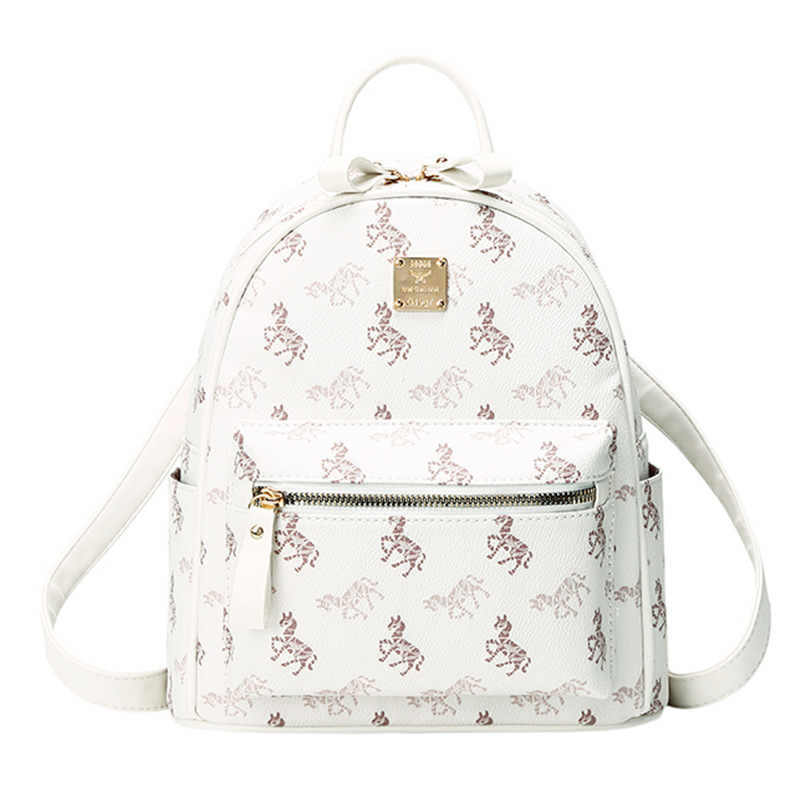
Leather bags are a popular fashion accessory around the world, valued for their durability, style, and sophistication. However, the production and disposal of leather bags have a significant environmental impact.
This article explores the environmental impact of leather bags and provides alternatives to traditional leather production.
Leather Production
Leather production involves the use of animal hides, which go through a complex tanning process to become leather. The environmental impact of leather production is significant, and it includes the following:
Environmental Impact of Leather Production
- The tanning process requires large quantities of water and chemicals.
- The chemicals used in the tanning process include chromium, which is highly toxic and carcinogenic.
- The disposal of the chemicals used in the tanning process can lead to groundwater contamination.
- The process of raising livestock for leather production is a significant contributor to deforestation, as land is cleared to create grazing areas.
Pollution
Leather production also contributes to air, water, and land pollution. The following are ways that leather production affects the environment:
Air Pollution
- The tanning process releases large amounts of volatile organic compounds (VOCs) into the air, which can cause respiratory problems and contribute to air pollution.
Water Pollution
- Leather production involves large amounts of water, which is contaminated with chemicals such as chromium, lead, and mercury.
- The contaminated water is then released into nearby rivers and streams, polluting the water supply and harming aquatic life.
Land Pollution
- The disposal of solid waste from leather production can contaminate the soil and water supply.
Alternatives to Leather Bags
As the environmental impact of leather bags becomes more evident, consumers are increasingly seeking out alternatives to traditional leather bags. The following are some of the alternatives to leather handbags:
Synthetic Leather
- Synthetic leather is made from plastic, and it is a popular alternative to traditional leather.
- However, the production of synthetic leather also has a significant environmental impact, as it requires the use of non-renewable resources and creates large amounts of waste.
Vegan Leather
- Vegan leather is made from plant-based materials, such as pineapple leaves and mushrooms.
- It is a more sustainable alternative to traditional leather material, as it is biodegradable and does not require the use of animal hides.
Cork Leather
- Cork leather is made from the bark of cork oak trees, which is harvested without harming the tree.
- It is a sustainable alternative to traditional leather, as it is renewable and biodegradable.
Eco-Friendly Leather Production
While the leather production industry has a significant environmental impact, there are eco-friendly alternatives to traditional leather production. The following are some of the eco-friendly alternatives to leather production:
Vegetable-Tanned Leather
- Vegetable-tanned leather is tanned using natural materials such as tree bark, instead of chemicals.
- It is a more sustainable alternative to traditional leather, as it is biodegradable and does not use toxic chemicals.
Organic Leather
- Organic leather is produced using animal hides that have been raised without the use of hormones, antibiotics, or other synthetic chemicals.
- It is a more sustainable alternative to traditional leather, as it reduces the environmental impact of livestock farming.
Leather Recycling
- Leather recycling involves repurposing old leather products into new products, such as furniture and accessories.
- It is a more sustainable alternative to traditional leather production, as it reduces waste and the need for new leather production.
Sustainable Leather Brands
As consumers become more conscious of the environmental impact of leather production, sustainable leather brands are emerging. These brands prioritize ethical and sustainable production practices, such as using eco-friendly materials and reducing waste. The following are some examples of sustainable leather brands:
- Stella McCartney: This luxury brand is known for its use of vegan leather and sustainable production practices.
- Matt & Nat: This brand produces vegan leather bags and accessories using recycled materials.
- Svala: This brand produces sustainable, vegan, and eco-friendly bags and accessories.
When considering purchasing from a sustainable leather brand, it is important to evaluate their production practices and policies. Some criteria to consider include:
- Use of eco-friendly materials and production practices
- Ethical treatment of workers and animals
- Commitment to reducing waste and environmental impact
Conclusion
The environmental impact of leather bags is significant, and it is important for consumers to consider sustainable alternatives to traditional leather production. Synthetic leather, vegan leather, and cork leather are some eco-friendly alternatives, while vegetable-tanned leather, organic leather, and leather recycling are more sustainable alternatives to traditional leather production. Sustainable leather brands are also emerging, offering a more ethical and sustainable option for consumers. By making conscious choices about the products we consume, we can reduce our impact on the environment and promote sustainable fashion.
FAQs
Is leather production always harmful to the environment?
While traditional leather production has a significant environmental impact, there are eco-friendly alternatives that prioritize sustainability and reduce harm to the environment.
What are some eco-friendly alternatives to traditional leather?
Some eco-friendly alternatives to traditional leather include synthetic leather, vegan leather, cork leather, vegetable-tanned leather, organic leather, and leather recycling.
How can consumers evaluate the sustainability of a leather brand?
Consumers can evaluate the sustainability of a leather brand by considering their use of eco-friendly materials and production practices, ethical treatment of workers and animals, and commitment to reducing waste and environmental impact.
Why is it important to consider sustainable alternatives to leather production?
Leather production has a significant environmental impact, and sustainable alternatives reduce harm to the environment and promote ethical and sustainable fashion practices.