
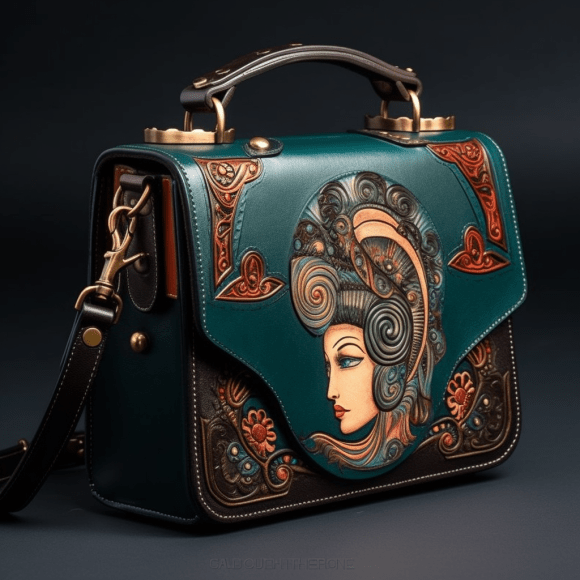
Handbags have been a staple of fashion for centuries, and they have evolved dramatically over time. Today, there are countless styles, shapes, sizes, and materials to choose from, making it more challenging for designers to stand out in a crowded market. The art of handbag design is about creating something unique that captures the essence of the brand and appeals to the target audience.
In this article, we will explore the various elements that go into designing a handbag, from conceptualization to production.
Introduction
In this section, we will discuss the history of handbags and their significance in the fashion industry.
The Evolution of Handbags
Handbags have been around since ancient times, and they have served many purposes over the years. In the Middle Ages, both men and women carried small bags called pouches to carry coins, herbs, and other small items. In the 16th century, handbags became more fashionable, and women began to use them as accessories rather than just for practical purposes. The 20th century saw the rise of iconic handbag designers like Coco Chanel, Hermès, and Louis Vuitton, who created some of the most recognizable and sought-after bags in the world.
The Significance of Handbags in Fashion
Handbags are more than just a functional accessory; they are a statement of style and status. A well-designed handbag can elevate an outfit and make a lasting impression. For designers, handbags are an opportunity to showcase their creativity and craftsmanship while creating a product that people will cherish and use for years.
Conceptualization
In this section, we will discuss the first step in handbag design: conceptualization.
Inspiration
The inspiration for a handbag can come from many sources, including art, nature, architecture, and travel. Designers often look to current trends and consumer demand to inform their designs. They also draw from their own personal style and experiences.
Sketching and Prototyping
Once the designer has an idea of what they want to create, they will begin sketching and prototyping. This process involves creating rough sketches of the handbag, followed by more detailed drawings. The designer may also create a prototype using materials like paper or fabric to test the shape, size, and functionality of the bag.
Design
In this section, we will discuss the elements of handbag design that go beyond the initial conceptualization.
Shape and Size
The shape and size of a handbag are critical design elements. The bag’s shape should complement the wearer’s body type and outfit. For example, a petite woman may prefer a smaller handbag that doesn’t overwhelm her frame, while a taller woman may prefer a larger bag that balances out her proportions.
Materials
The choice of materials is another essential element of handbag design. The designer must consider the bag’s function, durability, and aesthetic appeal. Common materials include leather, canvas, and various types of synthetic fabrics.
Hardware and Detailing
The hardware and detailing of a handbag can significantly impact its overall look and feel. The designer must consider factors like the color, finish, and style of the hardware, as well as any additional details like tassels, zippers, or stitching.
Production
In this section, we will discuss the final stage of handbag design: production.
Sourcing Materials
Once the design is finalized, the designer must source the necessary materials. This involves finding the right suppliers, negotiating prices, and ensuring the quality of the materials.
Manufacturing
The manufacturing process involves cutting, stitching, and assembling the various components of the handbag. The designer must oversee this process to ensure that the bag meets their specifications and quality standards.
Marketing and Distribution
Once the handbag is produced, the designer must market and distribute it to the target audience. This involves creating a brand image, pricing the bag appropriately, and finding the right retail channels to sell the bag.
Conclusion
The art of handbag design is a complex and multi-faceted process that requires a combination of creativity, practicality, and business acumen. From the initial conceptualization to the final product, every stage of the design process plays a crucial role in creating a handbag that is not only beautiful but also functional and marketable.
FAQs
- What are the most popular handbag styles?
- The most popular handbag styles include tote bags, cross-body bags, shoulder bags, clutch bags, and backpacks.
- What materials are commonly used to make handbags?
- Leather, canvas, and various types of synthetic fabrics are commonly used to make handbags.
- What factors should I consider when choosing a handbag?
- When choosing a handbag, you should consider factors like the bag’s size, shape, material, and hardware, as well as your personal style and lifestyle needs.
- What is the difference between a designer handbag and a regular handbag?
- Designer handbags are typically higher in quality and more expensive than regular handbags. They are also often more fashionable and feature unique designs and details.
- Can I design my own handbag?
- Yes, you can design your own handbag! However, it is important to have some knowledge of handbag design and production, as well as access to the necessary materials and manufacturing resources.